
Articles
Practical reading for digital investigators, from the community, our sponsors and the wider industry.
8 results for “Digital Forensics”. Clear search
 Hub Article
Making AI Defensible: What Every Examiner Should Take From the DFRWS Practitioner Report
A new DFRWS practitioner report lays out how to use AI in digital forensics without losing defensibility. Kevin DeLong breaks down where AI helps, where it fails, and the guardrails that keep examiners accountable in court.
Kevin DeLong · Oct 19, 2026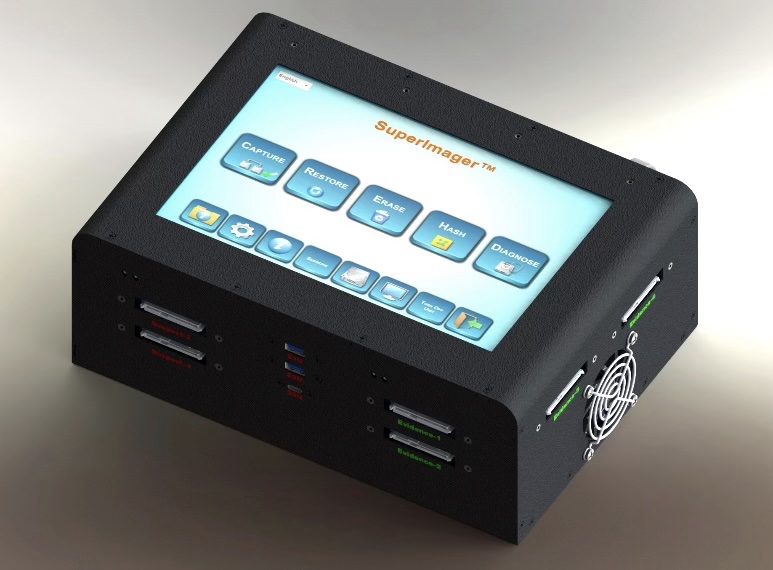 Hub Article
The Field Investigator's Challenge: Why Traditional Digital Forensics Equipment Falls Short
Digital forensic investigators face a complex web of challenges when conducting field investigations. Understanding these problems—and their solutions—can mean the difference between a successful evidence collection and a compromised case.
MediaClone · Sep 30, 2025 Hub Article
Reducing Enterprise Costs with SaaS-based Digital Forensics Solutions
Data breaches, malware infections, ransomware, unauthorized access to critical systems, and similar incidents against organizations have surged dramatically in recent years. Discover how SaaS-based digital forensics solutions are changing the DFIR landscape.
Magnet Forensics · May 28, 2025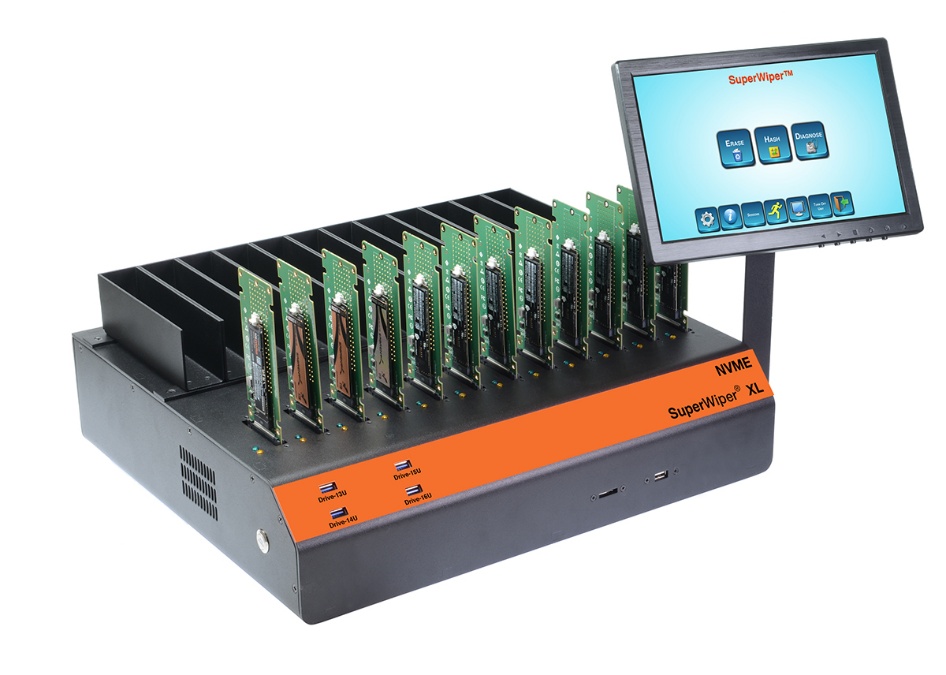 Hub Article
Erase Data from NVMe SSD
In digital forensics and data security, securely non-retrieval erasing data from digital storage devices is paramount. Learn how to overcome common challenges of erasing data from NVMe SSD in forensic and data security applications.
MediaClone · May 15, 2025 Hub Article
3 Ways Programming Skills Can Help You Succeed in DFIR
I often come across this topic among those interested in digital forensics and incident response (DFIR). People seem to ask the same question – “Do I need to learn how to code?” – as if it’s a dreaded task. While you don’t have to be an expert coder in order to have a successful career in DFIR, having some programming knowledge can help you excel.
Matt Danner · Mar 1, 2023 Hub Article
How to Get Started in the Field of Digital Forensics
When you think of different career paths in the field of cyber you might not always notice the field of digital forensics. However, if you have a passion for all things digital and keen attention to detail, this field could be the perfect place for you where a job is not to work, but something you enjoy. Many people might also explore this field as an option after retiring from a career in the military or law enforcement and want to start a “second life”. No matter where you come from, you will need some specific strengths and skill sets to be successful in the field.
Amber Schroader · Apr 22, 2022 Hub Article
EMI Shielding and Why You Need It
The topic of Physics may not be the first thing that comes to mind when you think of digital forensics, but it does play a key role in the preservation of your digital evidence. Not every organization is lucky enough to have their lab so isolated that they get no issues with signals that could potentially risk their digital evidence. This is where physics and the role of EMI shielding, or the use of Faraday technology, come into play.
Amber Schroader · Feb 22, 2022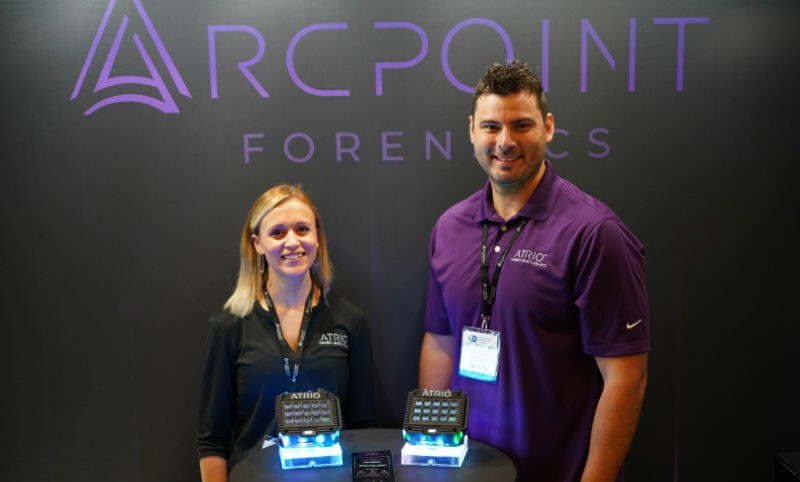 Hub Article
Speed Up the Digital Forensics Process
We’ve all been there, right? You’re a forensic examiner with a backlog of cases in your lab and you’ve just been handed another piece of media to add to your caseload. Of course, this is time sensitive too and the final report was needed yesterday. You want to get started with your examination right away but first you need to acquire an image of the evidence. You plug the new drive into a write-blocker and then into your forensic workstation and start the acquisition process to obtain a full forensic image you can work from.
ArcPoint Forensics · Sep 30, 2021