
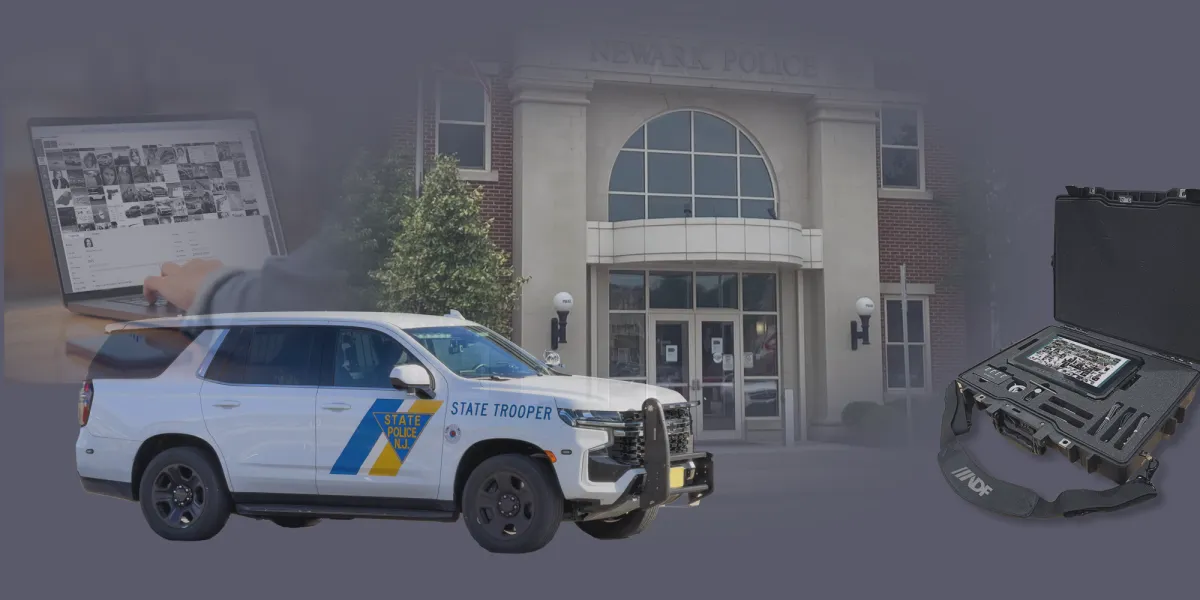
New Jersey State Police Cuts On-Scene Time and Device Seizures with Digital Forensic Triage
Digital evidence volumes are increasing, especially in investigations involving mobile devices. For law enforcement teams working search warrants and Internet Crimes Against Children (ICAC) cases, the challenge is not simply collecting more data. It is identifying the devices and evidence that matter most—quickly, lawfully, and without adding unnecessary workload to already stretched forensic labs.
A recent case study from the New Jersey State Police shows how frontline digital forensic triage can help address that challenge. The agency’s ICAC Unit adopted ADF Pro to preview mobile devices during field operations, helping investigators identify relevant evidence before committing to a full extraction or device seizure.
Faster Decisions at the Scene
Before adopting this approach, investigators could spend several additional hours at a search warrant location performing full device extractions. With mobile devices carrying ever-larger volumes of personal data, teams could also end up seizing devices that later proved to be non-relevant—adding avoidable pressure to forensic processing and evidence-management workflows.
Using ADF Pro’s preview and triage capabilities, the New Jersey State Police reported that investigators could access images and videos within minutes, conduct screen recordings for investigative review, and make faster decisions about which devices warranted further examination. The agency also deployed multiple triage stations inside its mobile forensic response vehicle to support field-based operations.
According to the case study, this workflow reduced on-scene investigation time from several hours to as little as 30 minutes in some cases. It also decreased device seizures by approximately 60–70%, allowing the team to return with fewer non-relevant devices and focus forensic resources on higher-priority evidence.
Why Mobile Device Triage Matters
For digital investigators, a strong triage process is not a substitute for a comprehensive forensic examination where one is required. It is a way to make better operational decisions earlier: prioritising relevant devices, reducing unnecessary collection, and giving investigators actionable intelligence during active operations.
The New Jersey State Police case illustrates how a field-ready digital forensic workflow can help agencies manage growing caseloads while maintaining court-ready practices. In high-pressure investigations, faster triage can mean less time on scene, fewer unnecessary seizures, and a more efficient path from collection to investigative action.
“Now we can triage quickly and focus only on what’s relevant.” — John Ragno, Digital Forensics Examiner, New Jersey State Police
Download the Full Case Study
For a closer look at the operational challenges, field-triage workflow, and reported outcomes, read the complete case study from ADF Solutions:
Download the New Jersey State Police case study